
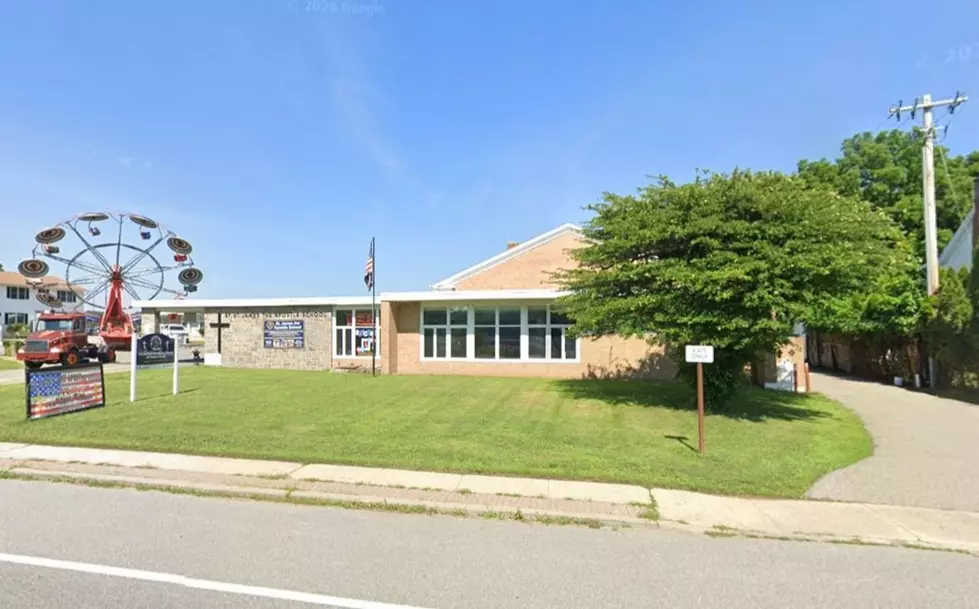
Hudson Valley School Evacuated Over Dangerous Carbon Monoxide Levels
A Hudson Valley school was evacuated and closed for the day after firefighters discovered dangerously high levels of carbon monoxide inside the building's boiler room.
It happened early Monday morning.
Carmel Fire Department Responds To Local School

The Carmel Fire Department responded around 7:32 a.m. on Monday to St. James the Apostle School on Gleneida Avenue in Carmel for a reported carbon monoxide incident.
The school is a private Roman Catholic school, serving grades PK–8 in Putnam County.
Upon arrival, firefighters investigated elevated levels of the odorless, colorless gas inside the building and evacuated everyone as a precaution.
Carbon Monoxide Readings Exceeding 100 Parts Per Million

During a sweep of the school, firefighters detected carbon monoxide readings exceeding 100 parts per million in the boiler room.
Health officials say that at 100–200 ppm, people can develop headaches, dizziness, nausea, or impaired judgment within 1 to 3 hours of exposure. Higher levels or longer exposure carry greater risk.
For all the news that the Hudson Valley is sharing, make sure to follow Hudson Valley Post on Facebook, and download the Hudson Valley Post Mobile App
Crews shut down the boiler so maintenance personnel could begin repairs, and Central Hudson Gas & Electric was notified to respond and evaluate the heating equipment.
School Evacuated And Students Sent Home
Members of the Carmel Volunteer Ambulance Corps evaluated several individuals at the scene as a precaution, though everyone checked declined transportation to the hospital.
Out of an abundance of caution, school officials closed the building for the day while the heating system was addressed. The Lake Carmel Fire Department provided mutual aid coverage for the Carmel Fire District during the response.

Fire officials are reminding Hudson Valley residents and business owners to have their heating appliances inspected and serviced by qualified professionals as colder weather sets in, and to make sure working carbon monoxide detectors are installed and tested regularly.


